Top Choice Digital — studio dossier
About Top Choice Digital
- web development [live]
- mobile apps [live]
- design, AI & IT consulting [live]
A digital studio working with businesses in Kazakhstan and beyond. We keep the team small on purpose, which keeps decisions fast and accountability clear.
Who we are
Almaty · Astana · international teams
We're developers, designers, and consultants who've spent years building software for companies at different stages: early startups finding their first users, mid-sized businesses replacing manual processes, and larger organizations integrating systems they inherited.
That range shapes how we work. We've seen what happens when a project is scoped too broadly, and we've seen the value of shipping something small and real. A studio that has watched both usually argues for the smaller first release.
How the team is organized
Every project gets one lead who owns the outcome and is your main contact. Around that lead sits the group the work actually needs.
Project lead
your single contact
The lead carries the outcome end to end: scope, timeline, what changes and what doesn't. When something needs a decision, you ask one person instead of chasing a thread.
Design & frontend
interfaces you can extend
UI/UX design and frontend build sit in the same conversation, so what gets drawn is what gets shipped. Interfaces are built to hold up on mid-range devices and uneven connections, not only on a designer's laptop.
Backend & QA
reviewed before merge
Backend developers and a QA engineer work on the same repository, so testing starts while the feature is still being written. That is how defects get caught in the week they appear rather than the week before launch.
Data specialist
added for AI work
AI projects bring in someone who works with data as a discipline: where it comes from, how clean it has to be, and what the model is allowed to decide on its own. We don't staff projects with people who have no context on your industry, and if we haven't worked in your sector before we say so during discovery and factor the learning time into the plan.
Our engineering standards
Standards only count if they survive a busy week. These are the ones we hold to on every codebase, whatever the deadline looks like.
Code review before merge
Nothing lands on the main branch unreviewed. Review is where naming, edge cases, and error handling get settled.
Dependencies kept minimal
Every library is a future maintenance cost, so a package has to earn its place. Fewer moving parts means fewer upgrades that break on a Friday.
Architecture decisions written down
We record what we chose and why. A developer joining the project in a year should be able to read the reasoning instead of guessing at it.
Security as ordinary work
Access control, input validation, and dependency updates sit in the normal sprint, not in a hardening phase that gets cut when time runs short.
Our design standards
Design starts from the user's task and the constraints of the environment it will actually run in.
- device range
- Screens are designed for mid-range phones and laptops, not only for the newest hardware. Layouts degrade cleanly instead of falling apart.
- connection
- Variable connection quality is planned for from the first wireframe: lighter first loads, clear loading states, and no screen that dies when the signal drops.
- language
- Interfaces have to hold up in Kazakh, Russian, and English. Longer words in Cyrillic break buttons and menus that were only tested in English.
- handover
- We deliver design systems, not just screens, so your team can extend the product without us. Components, states, and spacing rules come documented.
- accessibility
- Accessibility gets attention where it changes real use: contrast that holds up outdoors, keyboard navigation, and form labels a person can actually read.
Where we work
Kazakhstan · Georgia · remote
Our clients are mainly in Kazakhstan, including Almaty and Astana, and we also work with international teams. That mix keeps us close to how the local market operates while exposing us to standards and practices from elsewhere.
We communicate in English, Kazakh, and Russian, and we schedule around your working hours rather than ours. Calls happen when your team is at the desk, and written updates arrive in the language your stakeholders read.
What we won't do
A small studio stays trusted by turning work down when the work is wrong. This is the short version of that.
scope set up to fail
We won't take a project we think is set up to fail. If the plan asks for more than the budget or the timeline can carry, we say that during the first conversation rather than three months in.
quiet scope growth
We won't quietly expand a scope to raise a budget. If the work grows, you get a written change with the cost attached before anyone starts on it.
unrealistic deadlines
If your deadline is unrealistic, we'll tell you at the start. Moving a date is easier than explaining a rushed release after it ships.
selling you more than you need
If a cheaper approach solves your problem, we'll recommend it even when it means less work for us. This isn't a sales position. It's the only way a small studio stays trusted.
How we keep learning
The technology landscape in Kazakhstan is moving quickly, with national programs pushing AI adoption across public services and industry. We follow what's actually being deployed, from AI agents handling citizen questions to computer vision in transport monitoring, and we bring that context into client work.
New tools get tested on internal projects before we propose them to anyone. That way a recommendation comes with something we've already run, not with a vendor's launch page. For a studio doing digital transformation work, the useful question is rarely which model is newest, it's what the deployment costs to keep alive.
AI & digital transformation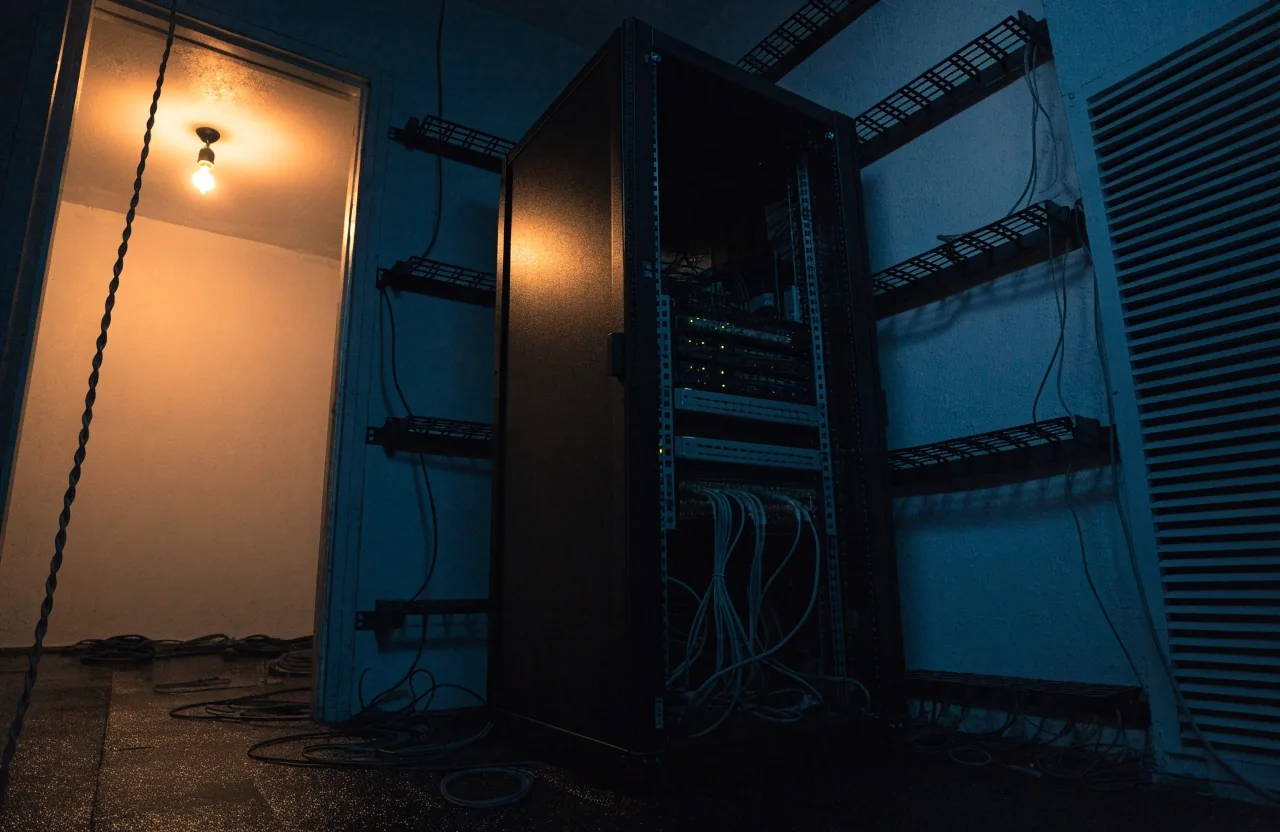
Working with us
Most relationships start with a short conversation and a written brief. From there we run discovery, agree on scope, and begin. You'll always know the current state of your project and who to ask.
If that sounds like how you want to work, send us a description of what you need. Reach the studio at kanogml1201@gmail.com or call +1 (815) 934-4003, Monday to Friday, 9:00 AM – 6:00 PM. Written briefs work best, because they give us something concrete to respond to.