
Our Process
How a Project Runs With Us
Every studio claims a process. What matters is what you actually get at each stage and when you can change direction. Here is how we run projects, from the first conversation to the weeks after launch.
- Discovery, billable and separate
- MVP scope written down
- Demos every two weeks
- Support or full handover
How the engagement runs
Four stages, and a decision point between each one
You can stop after discovery, re-scope after a demo, or take the build in-house at the end. Nothing below commits you to a full program before you have seen how we work on your own material.
Product discovery
Two to four weeks, billed on its own
Interviews with the people who will use the system, a review of what you already run, and a written problem statement both sides sign off on. It ends with a document you own whether or not you build with us.
You leave with scope, priorities and risks
MVP scoping
Smaller than most clients expect
We pick the smallest release that solves the core problem and can go live, then write everything else into named later phases so nothing gets quietly dropped between conversations.
Phase list written, not verbal
Design and build
Prototype first, then two-week sprints
Wireframes, then a clickable prototype you review before visual design starts. Development runs in two-week cycles with a working demo at the end of each one and a shared backlog you can reorder between them.
You see software, not a progress percentage
Launch and after
Pilot group, then everyone
We prepare production, migrate data if needed, and run a final check on a staging copy. Internal systems usually open to a pilot group first, gather feedback for a week or two, and then go wide with monitoring already in place.
Support block or structured handover
Discovery comes before anything else
Billable and separate, so you can stop there
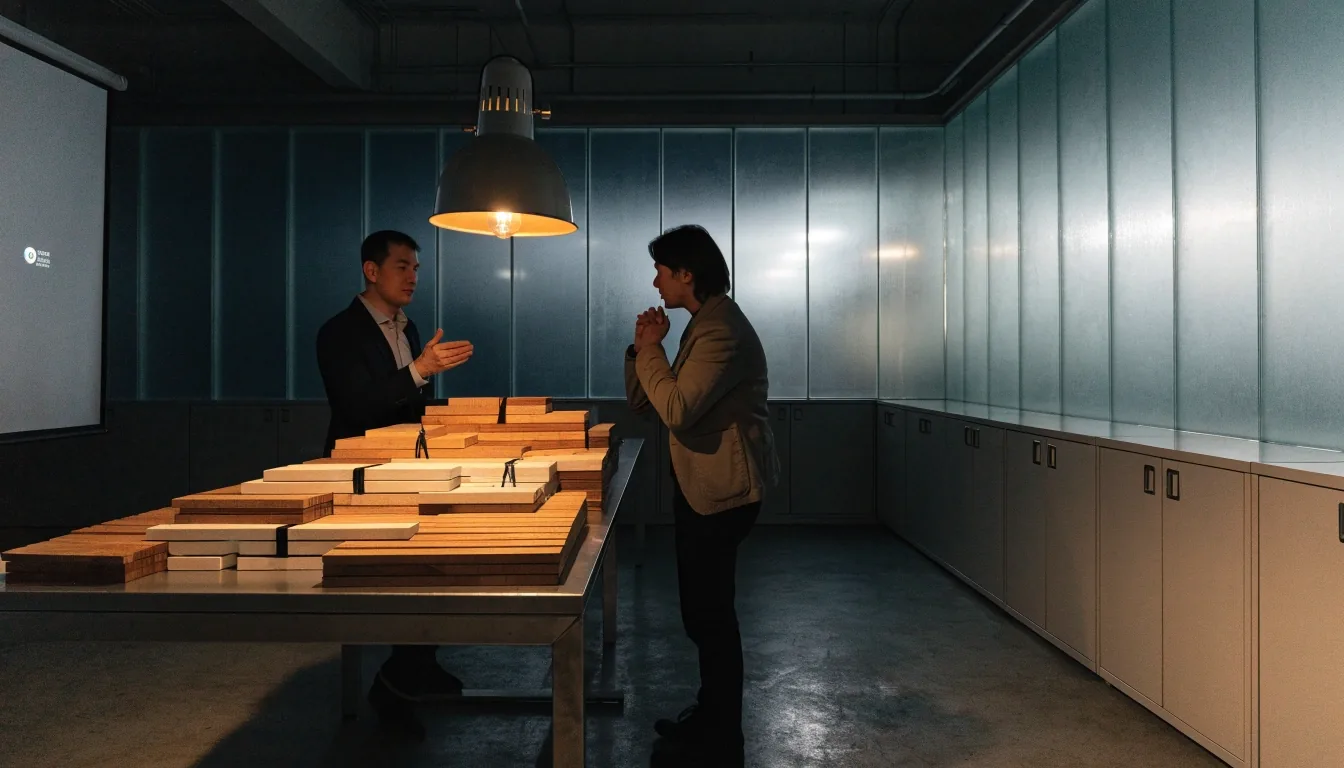
We start with two to four weeks of structured discovery. That means interviews with the people who will use the system, a review of what you already run, and a written problem statement we both agree on. For a retail client this might include watching staff process an order. For a public-facing service it means mapping the questions citizens actually ask.
You get a document at the end: scope, priorities, risks, and a rough budget range.
What discovery covers
- Interviews with the people who will use the system, not only management.
- A review of the tools, spreadsheets and manual steps you run today.
- A written problem statement both sides agree on before any build talk.
- A rough budget range tied to that scope, so the next conversation is grounded.
Everything not in the first release gets a named phase and a written reason
Defining the MVP
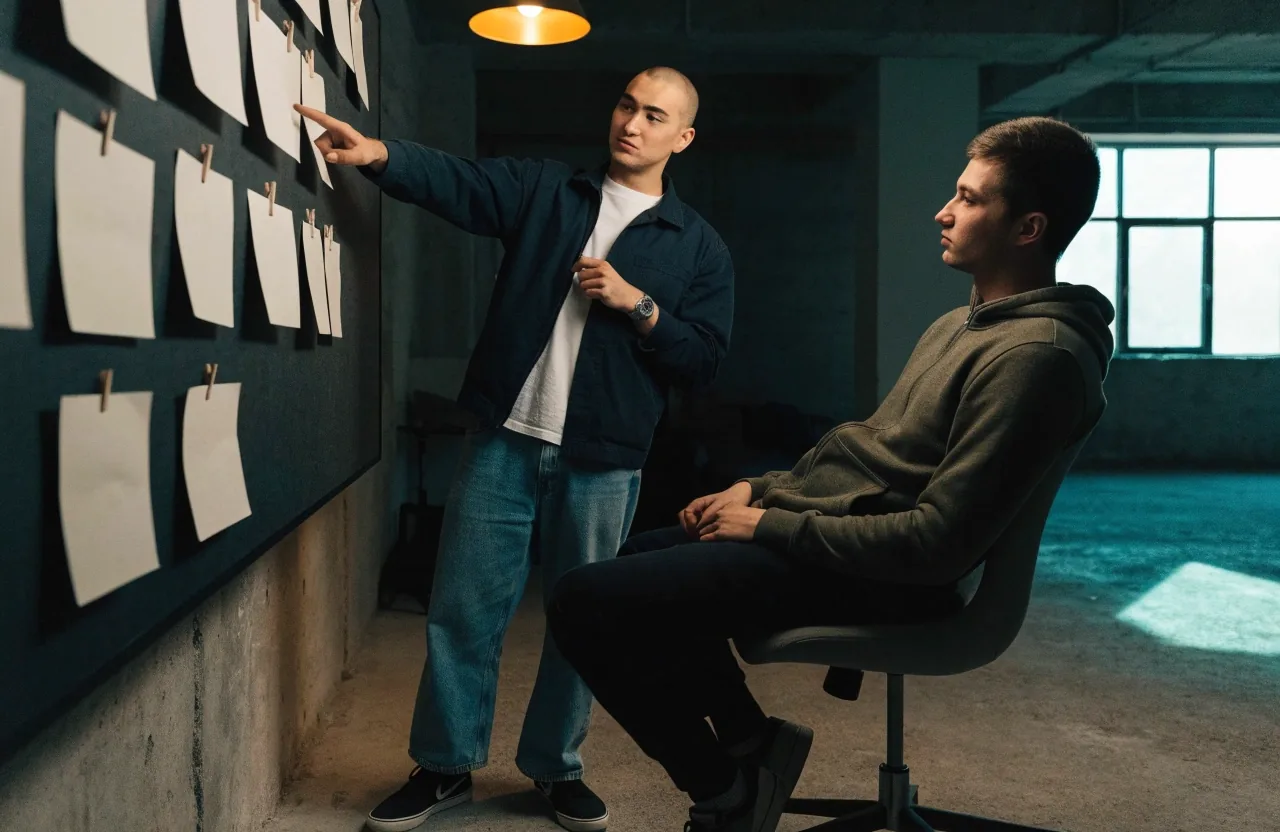
Most first releases are smaller than clients expect. We pick the smallest version that solves the core problem and can go live, then list everything else as later phases.
An MVP for a booking platform might include search, booking, and confirmation, and leave reviews and loyalty for phase two. This is not about cutting corners. It is about getting real usage data before you invest in features nobody asked for.
Booking platform, first release
- Search and availability
- Booking and confirmation
- Admin view of incoming requests
Later phases: reviews, loyalty, multi-location
Design and prototyping
Design starts once the scope is fixed. We produce wireframes first, then a clickable prototype for the key flows. You review it before visual design begins, because changing a flow is cheap at that stage and expensive after development.
Prototypes get tested with real content in the languages your users speak. Kazakh and Russian labels are often longer than English ones, and layouts that ignore that break in production.
Wireframes
Structure and navigation first, so the flow can be argued about before anything is styled.
Clickable prototype
The key flows in a form your team can click through, loaded with realistic content rather than filler.
Visual design
Applied only after the flows hold, with layouts checked against longer Kazakh and Russian labels.
Building in two-week cycles
Development runs in two-week sprints with a demo at the end of each one. You see working software, not a progress percentage. If a feature turns out to be harder than estimated, you hear it at the demo, along with options: simplify it, move it to a later phase, or extend the timeline.

What the demo shows
The features finished in that cycle, running on a real environment you can click through. Anything that slipped is named at the same meeting, with the three options we would weigh next.
What stays visible between demos
A shared backlog both sides can read. Priorities are visible at all times, and you can reorder them between sprints without waiting for a formal change request.
Quality checks and testing
Testing happens throughout, not at the end. Before launch you get a test report listing what was checked and what remains open, so nobody is guessing about the state of the release.
- Functional Each flow is walked end to end on the built product, including the awkward cases where a user backs out halfway through.
- Real devices The product is opened on the phones and tablets your users actually carry, not only on a development machine.
- Performance We check how pages load on slower connections and how they behave on older hardware still in use in the field.
- Security review For systems handling personal or financial data we add access-control checks and a review of who can see what.
- Accessibility Readable contrast, keyboard navigation for internal tools, and screen-reader labels on form fields where it matters most.
Launch
Launch is a planned event, not a hopeful deployment. We prepare the production environment, migrate data if needed, and run a final check on a staging copy. For internal systems we usually launch to a pilot group first, gather feedback for a week or two, then open it to everyone.
You get monitoring set up on day one, so problems surface before users report them.
Launch day checklist
- Production environment prepared
- Data migrated where needed
- Final staging check signed off
- Pilot group invited
- Monitoring live from day one
Wider access opens once the pilot feedback has been worked through, not on a fixed date picked in advance.
After launch
The first month after launch is when real usage shows up. We stay involved: fixing what breaks, watching how people use the product, and adjusting the parts that confuse them.
Support block
- Fixed monthly hours
- Predictable cost
- Good fit for steady work
A set number of hours each month for fixes, small changes and the adjustments that come out of watching real usage.
On-call agreement
- For critical systems
- Response when it matters
- Paired with monitoring
For systems where downtime has a real cost, with monitoring already set up at launch so problems are caught early.
Structured handover
- Documentation written
- Walkthrough for your team
- You own everything
If you would rather take everything in-house, we hand over the code, the documentation and a walkthrough session for the people who will maintain it.
What we need from you
You do not need a technical background, but you do need someone empowered to say yes. Projects slow down most often when feedback takes a week instead of a day.
A decision-maker
Someone who can approve scope changes without a second round of internal meetings every time a phase boundary moves.
Access to the people who know the work
Not only management. The person who processes the order every day knows things a status report never captures.
Realistic availability for reviews
A day or two to look at a prototype or demo keeps the two-week rhythm intact. A week of silence costs a full cycle.
Where this fits larger programs
If your project is part of a wider digital transformation, the process adapts. We align sprints with your internal release calendar, follow your procurement rules, and produce the documentation your compliance team needs.
Consulting engagements run on a similar rhythm with a lighter build phase, ending in a roadmap rather than a product.

Inside a transformation program
Sprints line up with your release windows, procurement paperwork follows your format, and the compliance documentation is produced as we go rather than assembled at the end.
IT consulting engagements
Same discovery rhythm, a much lighter build phase, and a roadmap as the deliverable instead of a shipped product.
Questions clients ask first
The four that come up in almost every first call, answered the same way we would answer them on the phone.
Can we stop after discovery?
Yes. Discovery is billed separately for exactly that reason. You keep the problem statement, the scope, the priorities and the risk list, and you can take that document to another team or build the case internally before committing further.
What happens if a feature takes longer than expected?
You hear it at the sprint demo, not three weeks later. We bring the same three options every time: simplify the feature, move it to a later phase, or extend the timeline. The choice is yours, and it is recorded in the shared backlog.
Do you work in Kazakh and Russian as well as English?
Prototypes and layouts are tested with content in the languages your users actually speak. Kazakh and Russian labels tend to run longer than their English equivalents, and interfaces designed around short English strings break once those labels land.
Who owns the code and the designs?
You do. If you would rather run everything in-house after launch, we do a structured handover: the code, the documentation, and a walkthrough session for the people who will maintain it day to day.
Next step
Start with a discovery call
Bring the problem you are trying to solve and a rough sense of the timeline. If discovery is not the right first step for your situation, we will say so on the call.
Reach the studio
- Email kanogml1201@gmail.com
- Phone +1 (815) 934-4003
- Office Furmanov Ave 110, 050000 Almaty, Kazakhstan
- Hours Monday to Friday, 9:00 AM - 6:00 PM